
Removing Large Disabled Vehicles Quickly Keeps Drivers and Roads Safer
Heavy Duty Towing plays a big role in road safety by clearing large, disabled vehicles before they cause crashes or block traffic. When a semi-truck, bus, or construction vehicle breaks down, it creates a serious hazard. Fast and proper removal reduces traffic jams, lowers the risk of rear-end crashes, and keeps drivers, passengers, and roadside workers safer.
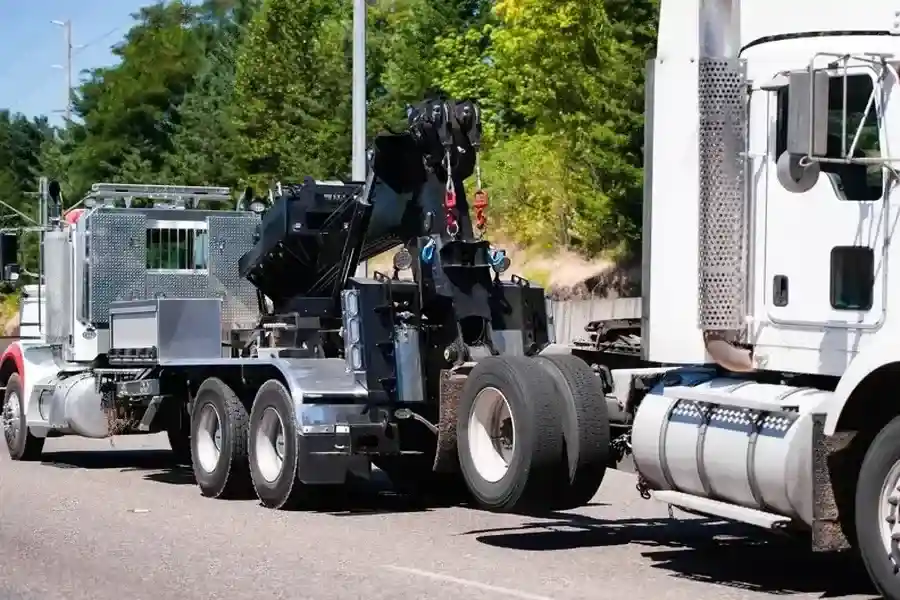
Why Prevention and Fast Action Matter
A stranded tractor-trailer can block two lanes in seconds. Drivers may not see it in time, especially at night or during bad weather. The longer it sits there, the higher the risk of another crash. Heavy duty towing teams are trained to respond fast, control the scene, and remove the vehicle in a safe way. This helps restore normal traffic flow and reduces stress for everyone on the road.
Road safety is not just about moving the vehicle. It is also about traffic control, proper equipment, and trained operators who know how to handle large loads. One mistake with a 40-ton truck can damage the road or hurt someone nearby.
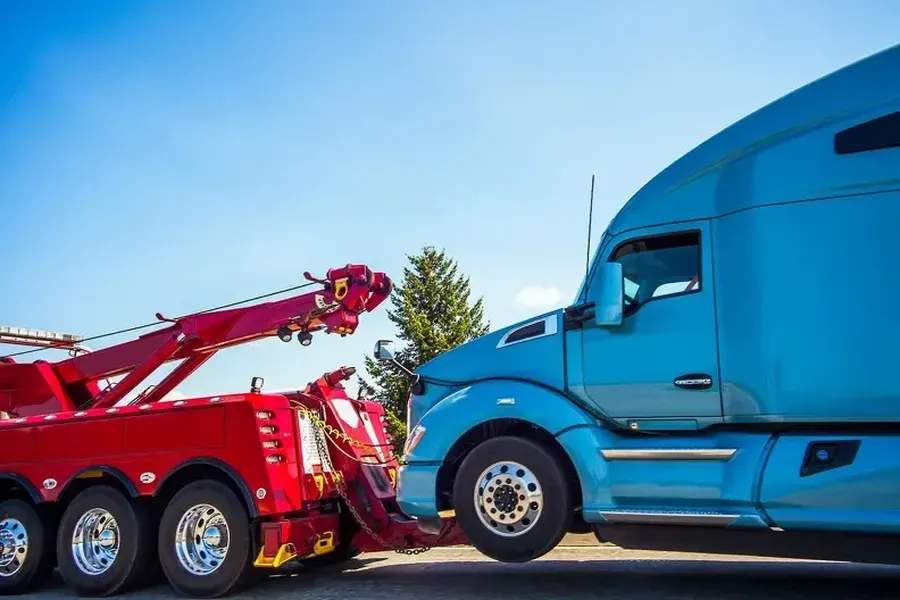
Early Warning Signs of a Major Road Hazard
Some breakdowns happen without warning. Others show signs before a full stop. Drivers and fleet managers should watch for:
- Smoke coming from the engine or brakes
- Loss of power while driving uphill
- Loud tire blowouts
- Fluid leaking onto the roadway
- Steering or brake failure
When any of these happen, pulling over safely and calling for heavy duty towing right away can stop a small issue from turning into a multi-vehicle accident.
Seasonal and Routine Safety Checklist
Weather and road conditions change throughout the year. Large vehicles are more likely to break down during extreme heat or cold. A simple routine can lower the risk of roadside emergencies.
- Inspect tires for proper inflation and wear.
- Check brake systems before long trips.
- Test lights and signals daily.
- Monitor engine temperature and fluid levels.
- Secure all cargo properly.
Even with careful maintenance, accidents still happen. When they do, trained towing operators use special wreckers, winches, and stabilizing tools to recover the vehicle without tipping it over or spilling cargo.
Best Practices for Long-Term Road Safety
Professional heavy duty towing providers follow strict safety steps. First, they secure the scene with cones, flares, or warning lights. Next, they assess the weight and position of the vehicle. They choose the right tow truck, often a rotator or large wrecker, based on that load.
Proper rigging is key. Chains and straps must be placed at the correct anchor points. This keeps the disabled vehicle balanced during lifting and transport. Operators also check for spilled fuel or cargo that may create extra hazards.
Some situations also require traffic control coordination. On highways, police or road crews may block lanes while the recovery takes place. This teamwork reduces the chance of secondary accidents.
What Not to Do During a Breakdown
Many drivers make the situation worse by trying unsafe fixes. Avoid these common mistakes:
- Standing behind or in front of the disabled vehicle
- Trying to push a large truck out of traffic
- Using light-duty chains for heavy loads
- Stopping in a blind curve or near a hill crest
Large vehicle recovery is not a DIY task. It requires the right training and heavy equipment towing tools. A basic tow truck cannot safely move a loaded semi or bus.
When to Schedule Professional Help
Call for professional Heavy Duty Towing any time a commercial vehicle cannot move under its own power or creates a traffic hazard. This includes rollovers, jackknifed trailers, brake failure, major engine problems, or vehicles stuck in mud or snow.
Quick service reduces traffic delays and helps prevent further damage to the truck and the road. It also protects first responders and other drivers passing through the area. A trained team knows how to stabilize the vehicle, recover it safely, and clear debris from the roadway.
Keep Roads Safer With the Right Support
Road safety depends on fast action and trained crews when large vehicles break down in New Orleans, LA. At A1 Towing Company, we respond with the right equipment and skilled operators to clear hazards and protect drivers. If you need Heavy Duty Towing or emergency recovery, call (504) 891-8125 and let us help keep your roadway safe.