
How Vehicle Towing Works From Call to Drop-Off
The process of a car towing service is simple once you see how it works. It starts with a call for help, followed by a safety check, proper hookup, careful transport, and a safe drop-off at your chosen location. Each step is done in a set order to protect your vehicle and keep everyone safe.
Quick Answer: What Happens During a Towing Job
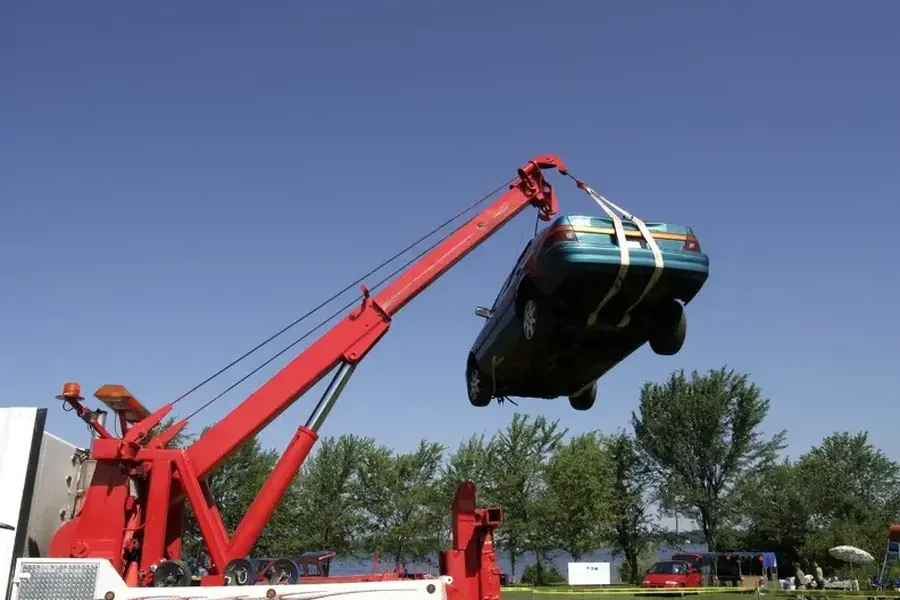
When you call for help, a dispatcher collects details about your car, location, and the problem. A tow truck is sent out. The operator checks your vehicle, secures it using the right equipment, and transports it to a repair shop, your home, or another location. The goal is safe and damage-free transport.
What You Need Before Help Arrives
You can speed things up by having a few details ready. This helps the tow truck operator bring the correct equipment.
- Your exact location, including nearby landmarks
- The make, model, and year of your vehicle
- A short description of the problem
- Keys to unlock and move the vehicle if needed
- Your preferred drop-off address
If your car is stuck in traffic or on a busy road, turn on your hazard lights. Stay inside the vehicle if it is safe. Your safety always comes first.
Step-by-Step Process of a Car Towing Service
Every professional car towing service follows a clear set of steps. This keeps the job smooth and lowers the risk of damage.
- Dispatch and arrival: After your call, the nearest available truck is sent to your location.
- Vehicle inspection: The operator checks your car for visible damage and notes any issues.
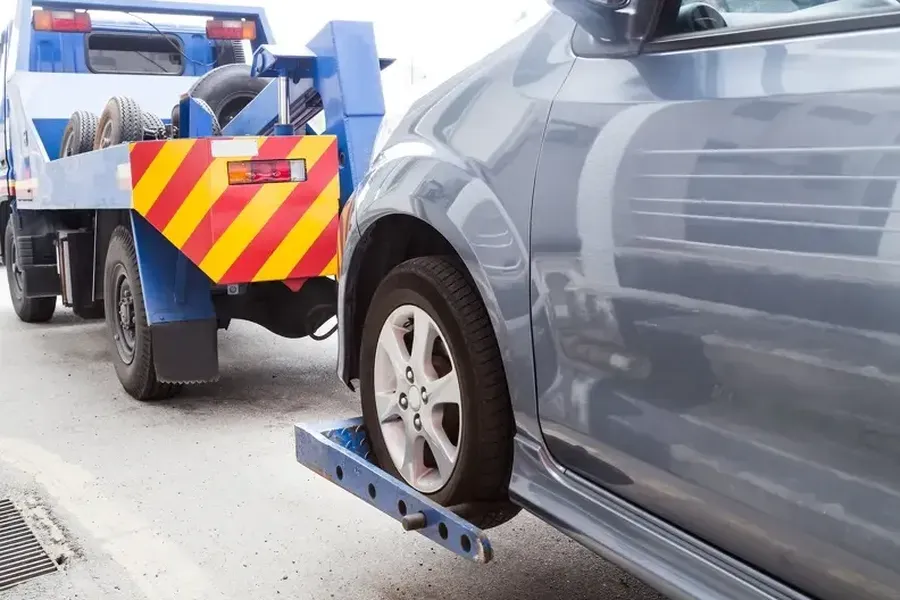
- Choosing the right method: Depending on your vehicle type, the operator may use a flatbed truck or a wheel-lift system.
- Secure attachment: Straps, chains, or wheel lifts are carefully placed to hold the vehicle in position.
- Lifting and loading: The vehicle is raised or pulled onto the truck slowly and evenly.
- Transport: The driver follows a safe route to your chosen destination.
- Unloading: The vehicle is lowered safely and placed where you request.
Flatbed towing is often used for all-wheel-drive cars, luxury vehicles, or severely damaged vehicles. Wheel-lift towing is common for short distances and lighter vehicles.
Common Mistakes to Avoid
Many people try to fix the situation before calling for help. That can lead to more damage.
Here are mistakes to avoid:
- Trying to tow your car with a rope or chain
- Using the wrong tow points on your vehicle
- Leaving the parking brake engaged
- Forgetting to put the car in neutral when needed
- Standing too close during loading
Improper towing can damage the transmission, bumper, or suspension. A trained operator knows the right towing points for each vehicle type.
When to Call a Professional
You should call a car towing service anytime your car cannot move safely on its own. This includes engine failure, overheating, a flat tire with no spare, a dead battery in unsafe areas, or accident damage.
Modern cars have sensitive systems. Electric vehicles and all-wheel-drive models require special handling. Trying to tow them the wrong way can cause major repair costs. Professional towing operators use proper tools and follow safety steps to protect your car.
You should also call for help if your car is stuck in mud, sand, or a ditch. Recovery jobs often require winches and special equipment. Attempting this without training can make the situation worse.
Final Recommendation and Next Steps
Understanding how a car towing service works helps you stay calm during a stressful moment. From the first phone call to the final drop-off, each step focuses on safety and protecting your vehicle. If you are in New Orleans, LA and need reliable roadside help, we are ready to assist. At A1 Towing Company, we handle every vehicle with care and attention. Call us at (504) 891-8125 and we will send our team to get you back on track as quickly and safely as possible.